Who We Are
We are a volunteer group of islanders and friends of Tiree, coming together out of love for this place and a shared sense of dùthchas — the responsibility we hold to care for the land, sea, and community we belong to.
Our aim is simple: to protect and nurture Tiree’s extraordinary natural environment while building a more sustainable, resilient island.
We work through practical action, community connection, and a celebration of the culture and landscape that make Tiree unique — welcoming anyone who wants to get involved, whatever they have to offer.
Because we believe that looking after this island, and each other, is something we do best together.
Why this project matters
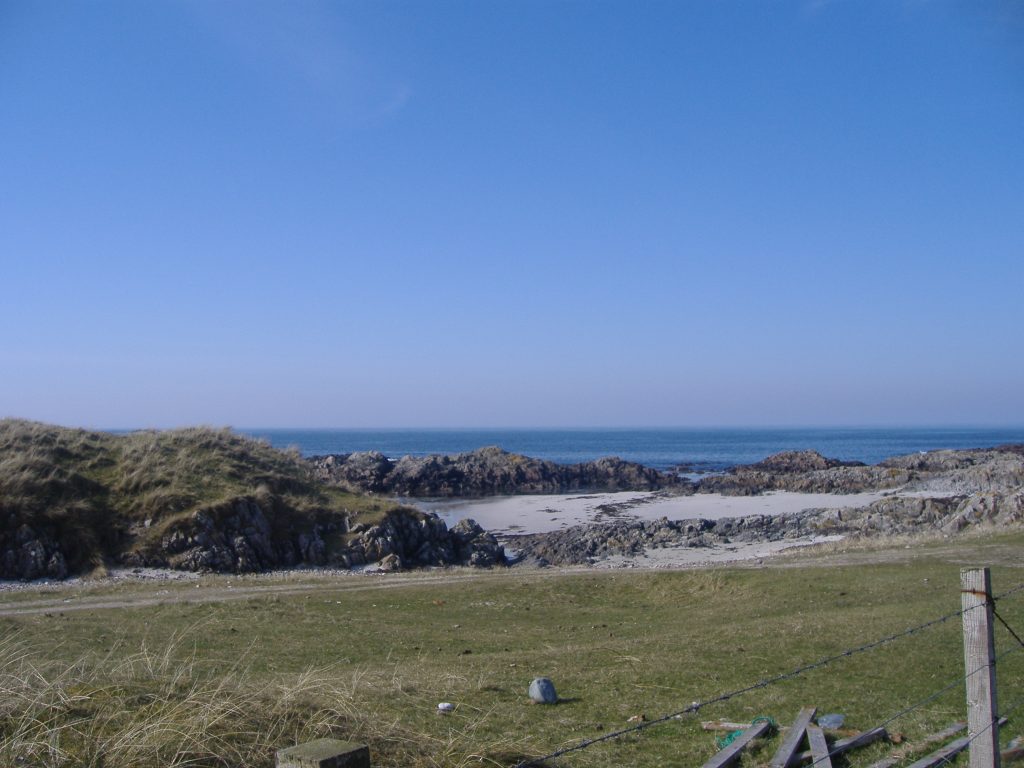
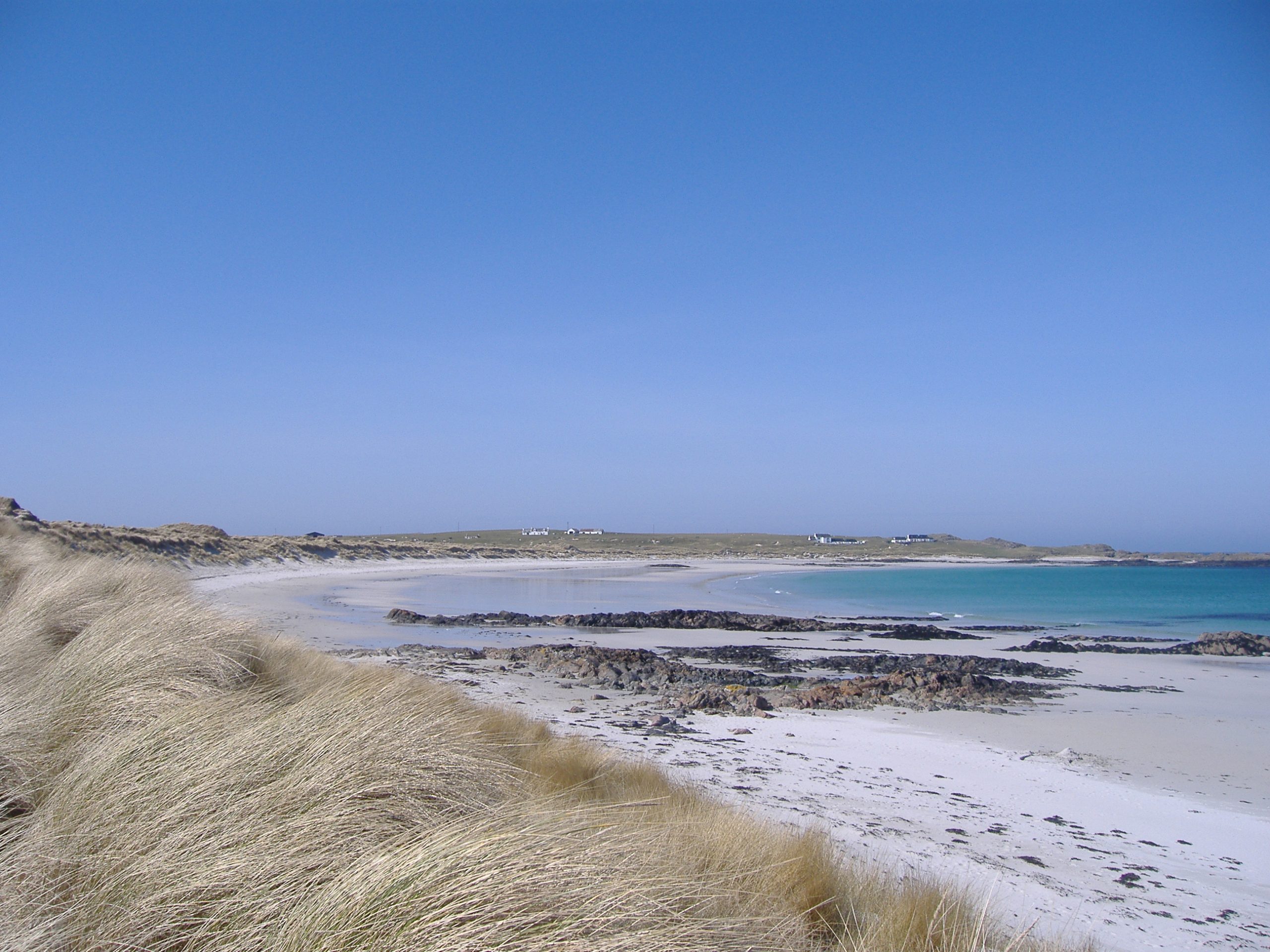
Tiree is one of Scotland’s most low-lying islands, and we’re already seeing the effects of climate change — stronger storms, coastal erosion, flooding of low-lying land, and pressure on
dunes and machair.
These changes affect:
- Croft land and grazing
- Roads, access, and infrastructure
- Homes and businesses
- Wildlife and fragile coastal habitats
People living and working in Tiree know these
changes first-hand. This project starts from that
lived experience.
What this project is
This is a community-led climate adaptation project focused on nature-based solutions — practical, low-impact ways of working with the landscape to reduce erosion and flooding risk.
It builds directly on:
- Community workshops and mapping carried out in 2023–24
- A pilot project delivered jointly by Tiree Community Development Trust and The Open University
- Clear recommendations from island residents to move from discussion into practical action
The project is funded through a national research and community programme focused on ecological citizenship and nature-based solutions, and is being delivered locally by Tiree Community Development Trust, working in partnership with The Open University
What this project is not
It’s important to be clear about boundaries.
This project is not:
- Large-scale hard engineering (e.g. sea walls)
- A finished or fixed plan
- Taking land out of use without consent
- Being done “to” the community rather than “with” it
Instead, it’s about testing what works, learning together, and building local capacity for longerterm stewardship.